百科生活 投稿
关于【古希腊建筑的三种柱式是什么】:古希腊建筑的三种柱式是什么,今天小编给您分享一下,如果对您有所帮助别忘了关注本站哦。
- 内容导航:
- 1、古希腊建筑的三种柱式是什么
- 2、外国建筑史必考——5种古典柱式
1、古希腊建筑的三种柱式是什么
1、陶立克柱式,或多利克柱式:
是一种没有柱础的圆柱,直接置于阶座上,由一系列鼓形石料一个挨一个垒起来的,较粗壮宏伟,圆柱身表面从上到下都刻有连续的沟槽,沟槽数目的变化范围在16条到24条之间;
2、爱奥尼克柱式:
这种柱式比较纤细轻巧并富有精致的雕刻,柱身较长,上细下粗,但无弧度,柱身的沟槽较深,并且是半圆形的,上面的柱头由装饰带及位于其上的两个相连的大圆形涡卷所组成,涡卷上有顶板直接楣梁;
3、科林斯柱式:
它最早可能出现于雅典奥林帕斯山的宙斯神庙,四个侧面都有涡卷形装饰纹样,并围有两排叶饰,特别追求精细匀称,显得非常华丽纤巧,希腊科林斯柱式的比例比爱奥尼柱更为纤细,柱头是忍冬草形象。
2、外国建筑史必考——5种古典柱式
古典主义代表:5种不同柱式
Capitals Of Classical Antiquity: Understand The Difference Between The 5 Orders
一般来说,人们对于古典建筑的理解都始于建筑的柱式,无论是其细部分析亦或是建筑表达手法,无一例外。就历史记载来说,维特鲁威(Vitruvius)在《建筑十书》之中首次对柱式进行了分析:“[...]柱式是一种建筑表达方式,其特点不仅有粗狂干净,也有精致细腻,在真正古典设计之中,柱式的选择是至关重要的问题,这影响了建筑的整体风格。”[1]因此作者也称之为“建筑语汇”。 [2]
建筑的古典语言《The Classical Language of Architecture》的作者约翰•萨莫森(John Summerson)曾经描述道:“[...]一座古典建筑往往选择统一风格的装饰元素,这直接或间接地来源于古典世界的建筑表达[...]。这些元素易于识别,例如标准化的五种经典柱式,其精准的柱头、柱础,亦或是其他运用于古典建筑的标准化系列的装饰。”[3]
广义来说,经典柱式分为如下五种,即希腊柱式中的多立克、爱奥尼、柯林斯,还有罗马柱式中的塔司干和混合柱式。不同命名方式来源于柱头等部位的区别,例如柱头或是柱础的装饰区别,亦或是柱身的纹理和比例。除此之外,经典柱式还有许多组成元素,例如檐口、收分、卷杀、线脚、基座、雕刻等等。
以下是对于5种柱式的简要分析:
Whether it's to start analyzing a detail or impressing someone in conversation, understanding a classical building begins with an awareness of the different classical orders of architecture. In the historical records of architecture, the first account of the orders was written by Vitruvius: "[...] The orders came to provide a range of architectural expressions, ranging from roughness and firmness to slenderness and delicacy. In true classical design, order choice is a vital issue—it is the choice of tone," [1] which for the author, synthesizes the "architecture grammar." [2]
According to John Summerson, author of The Classical Language of Architecture, "[...] a classic building is alt="古希腊建筑的三种柱式是什么,希腊建筑有三种柱式(外国建筑史必考——5种古典柱式)" src="https://p3.toutiaoimg.com/pgc-image/c2d396f339394bd68866cb57e4069b30~tplv-tt-large.jpeg" />
多立克
多立克是最古老且简约的希腊古典柱式,大约出现在公元前七世纪,这种柱式以男性身体为原型,表达简单强壮的寓意,其线条简洁干净,主要在希腊建筑中用于表达男性特征。维特鲁威将多立克描述为是“男性身体比例、力量、体态” [4]的象征,也代表了平衡,他认为,这种柱式应当运用于“圣保罗、圣彼得、圣乔治大教堂” [5]之中。在希腊建筑中,建筑的设计与柱式的运用息息相关,由于其自身特色,多立克柱式则适用于较为低矮的建筑,因为其高宽比约为8:1。在上图中,这个柱式由两个部分组成,分别是柱头和柱身,方形的柱头部分则主要用于承载上部山花的荷载。
Doric
The oldest and most simple of the Greek Classical Orders, the Doric Order arose during the seventh century BC. With rudimentary lines and aesthetics based alt="古希腊建筑的三种柱式是什么,希腊建筑有三种柱式(外国建筑史必考——5种古典柱式)" src="https://p3.toutiaoimg.com/pgc-image/17942935f0ad4025a96a71fd2592baee~tplv-tt-large.jpeg" />
爱奥尼
爱奥尼柱式形态流线感较强,代表着女性的身体,维特鲁威认为,其通体“有着女性般的修长体态” [6]。在这种柱式中,人们可以看到一些东方元素,例如棕榈叶、纸莎草等植物涡卷线条,据推测这些也许受到埃及建筑的影响。爱奥尼柱式的高宽比约为9:1,因此这种柱式看上去比多立克要修长一些。维特鲁威认为,这种柱式应当运用于“环境安静神圣,既不过分强硬,也不过分阴柔,并且使用者内心较为纯粹” [7]的建筑之中。爱奥尼柱式的柱础较宽一些,能够承受较大的荷载,柱身由下至上稍有收分,上方结合了涡卷。值得一提的是,在有些建筑中,建造者会用凿刻于石头之中的女神柱代替爱奥尼来支撑上部荷载。
Ionic
With light, fluid organic lines, this order alludes to the lines of the female body, characterized by "feminine slenderness," [6] as Vitruvius points out. In the capital composition, oriental influences are seen, such as carvings of palm leaves, papyrus and vegetable leaves, possibly inspired by Egyptian architecture. The columns are about nine times as tall as they are wide—a width larger than the Doric Order. For Vitruvius, they should be used in temples dedicated to "quiet saints—neither too strong nor too soft—and for men with know-how." [7] In composition, this order presents a broader base, allowing to receive greater load; a slender shaft which widens slightly as it reaches the base; and capitals with scrolls (volutes). It is worth mentioning that in some works, capitals of this order are replaced by caryatids—female figures carved into the stone, supporting the entablature.
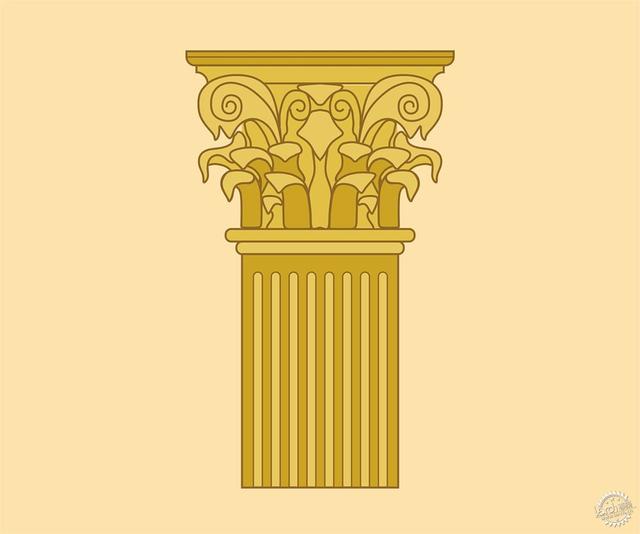
柯林斯
柯林斯柱式在希腊柱式中最为精致,有着工艺精湛的细部设计,维特鲁威认为,它代表着“苗条少女的身材” [8],柱头上雕刻着立体的芼茛叶图案,其高宽比为10:1,在三种柱式中最为修长。
Corinthian
As the most refined style of the three models based alt="古希腊建筑的三种柱式是什么,希腊建筑有三种柱式(外国建筑史必考——5种古典柱式)" src="https://p3.toutiaoimg.com/pgc-image/a66bbcbeaa3a49c8b0a66e8ca7e9b3ed~tplv-tt-large.jpeg" />
塔司干
罗马人认为,塔司干柱式是对多立克柱式的全新诠释,其高宽比为7:1,相比多立克稍微粗壮一些,整体的形式结构也相对简单。维特鲁威认为,这种柱式“适用于军事防御以及监狱项目”[9]。与希腊的三种柱式略微不同的是,塔司干柱式的柱身平整光滑,不似希腊柱式的柱身有着线脚凹槽。
Tuscan
Conceived by the Romans, this order is a reinterpretation of the Doric order. At seven column widths in height—one width less than the Doric column—it presents formal simplicity and therefore also structural simplicity. For Vitruvius, it is "suitable for fortifications and prisons." [9] Unlike the three models of Greek origin, where the shaft is fluted, in this order the shaft is smooth, aiming at simplification.
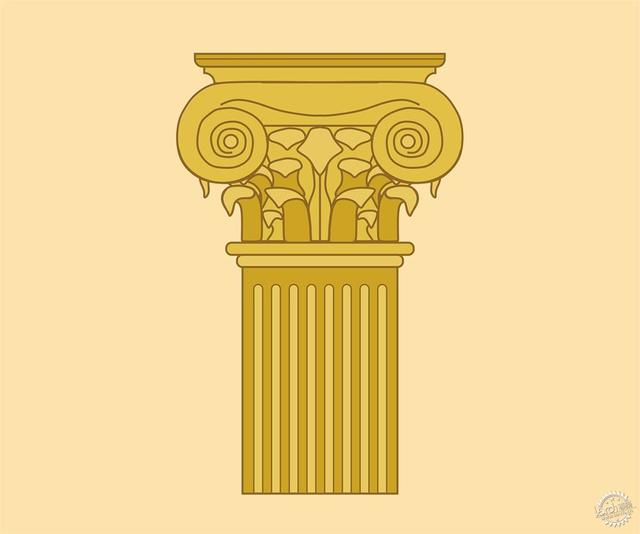
混合柱式
混合柱式结合了经典爱奥尼柱式和柯林斯柱式的特点,因此这种柱式也最为精致。它同时结合了爱奥尼柱头上的涡卷和柯林斯的芼茛叶图案,因此其形态上有着多个装饰层次。其高宽比为典型的10:1。
图片:Matheus Pereira
Composite
Developed from the union of the classical Ionic and Corinthian orders, this order is the most elaborate of the five architectural orders. With Ionic scrolls and Corinthian sprouts and acanthus leaves, this order features an overlap of ornament. The column is typically ten column-widths in height.
标注:
[1] SUMMERSON, p.12, 2006.
[2] SUMMERSON, p.12, 2006.
[3] SUMMERSON, p.04, 2006.
[4] VITRúVIO in SUMMERSON, p.11, 2006.
[5] VITRúVIO in SUMMERSON, p.11, 2006.
[6] VITRúVIO in SUMMERSON, p.11, 2006.
[7] VITRúVIO in SUMMERSON, p.11, 2006.
[8] VITRúVIO in SUMMERSON, p.11, 2006.
参考文献:
(英)约翰•萨莫森(John Summerson) 《建筑的古典语言》。圣保罗:WMF Martins Fontes,2006年
Notes:
[1] SUMMERSON, p.12, 2006.
[2] SUMMERSON, p.12, 2006.
[3] SUMMERSON, p.04, 2006.
[4] VITRúVIO in SUMMERSON, p.11, 2006.
[5] VITRúVIO in SUMMERSON, p.11, 2006.
[6] VITRúVIO in SUMMERSON, p.11, 2006.
[7] VITRúVIO in SUMMERSON, p.11, 2006.
[8] VITRúVIO in SUMMERSON, p.11, 2006.
References:
SUMMERSON, John. A Linguagem Clássica da Arquitetura. São Paulo: WMF Martins Fontes, 2006.
由专筑网李韧,曹逸希编译
本文关键词:古希腊建筑的三种柱式是什么意思,古希腊建筑的三种柱式是什么?,古代希腊建筑两种主要的柱式是什么,希腊建筑有三种柱式,古希腊三种柱式的建筑特点是什么。这就是关于《古希腊建筑的三种柱式是什么,希腊建筑有三种柱式(外国建筑史必考——5种古典柱式)》的所有内容,希望对您能有所帮助!
- 最近发表